
For the Love of Ceramics
There is a tendency when decorating a home to think first about the large decisions. The paint colour, or which sofa or dining table. The architecture of a room often receives the greatest attention, while the objects that quietly accompany our everyday lives are left until last, sometimes even as filler.
Yet it is often these smaller pieces that determine how a room feels.
A handmade bowl perfectly centred on a hallway console. A porcelain vase holding a single branch gathered on an early morning walk. A favourite mug that appears beside the same chair every evening. These are the objects that begin to accumulate stories, acquiring meaning not because they are valuable, as they are often not, but because they become woven into our daily rituals.
Perhaps that is why ceramics have endured for thousands of years. Unlike many decorative objects, they ask to be lived with. They are held, washed, moved, filled, emptied and returned to their place - and their beauty is often inseparable from their usefulness.
The most thoughtfully designed homes rarely feel styled in the conventional sense. Instead, they feel collected. Objects have been chosen over time rather than acquired all at once. A contemporary porcelain vessel might sit comfortably beside an eighteenth-century chest; a simple stoneware bowl may be placed beneath a modern painting. The connection is rarely one of period or price, but of proportion, texture and restraint.
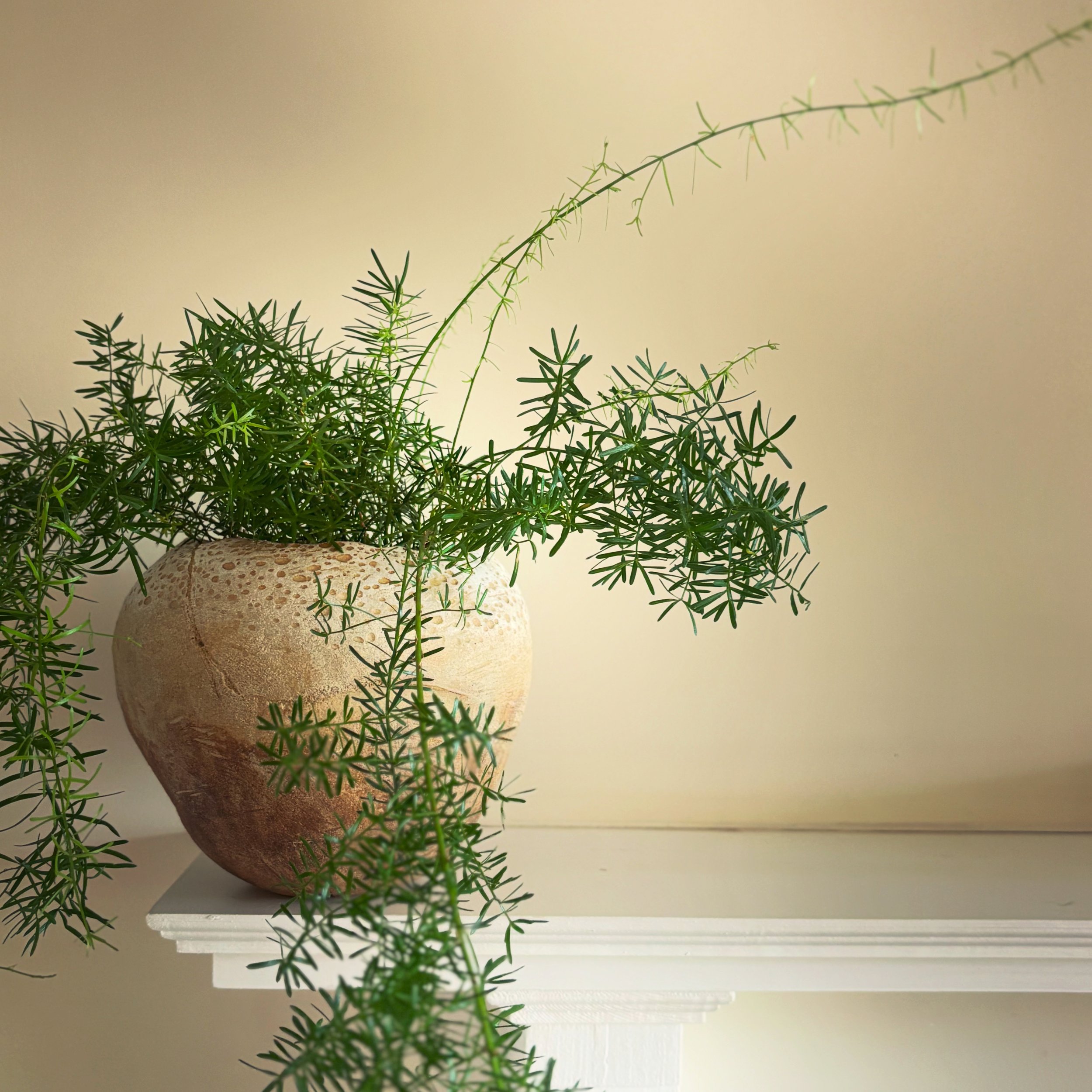
Ceramics have a remarkable ability to soften an interior. Timber, linen, glass and stone all benefit from the quiet irregularity of something made by hand. A subtly undulating rim catches light differently throughout the day. A satin glaze reflects candlelight more gently than polished surfaces. Even an empty vessel contributes something simply through its presence and from which direction we view it.
This is perhaps why interior designers so often introduce ceramics early in the design process rather than treating them as accessories. They provide rhythm within a room. Repeated forms create visual harmony, while varied heights encourage the eye to move naturally across a shelf or table. A collection of similar vessels often feels calmer than an assortment of unrelated decorative pieces.
The temptation, of course, is to fill every available surface. Yet restraint almost always proves more enduring. One generous bowl on a kitchen island can have greater impact than six smaller objects competing for attention. A single vase containing seasonal foliage often feels richer than an elaborate arrangement of flowers. Indeed, it is this empty space which allows craftsmanship to breathe.
Colour deserves equal consideration. Handmade ceramics rarely rely on bright decoration to command attention. Instead, they reveal their character through subtle shifts in tone: the warmth of an off-white glaze, the depth of iron-rich bronze, the softness of ash grey or the quiet complexity of natural clay. These colours tend to sit comfortably within a home because they echo materials already present in nature.
Texture is equally important. Combining smooth porcelain with rough timber, brushed linen or aged brass creates contrast without visual noise. A home becomes more interesting when every surface tells a slightly different story.
Perhaps the greatest pleasure of ceramics, however, is that they resist becoming static. Unlike sculpture placed behind glass, they continue to participate in everyday life. A serving bowl appears during family gatherings before returning to its shelf. A teapot accompanies slow Sunday mornings. A favourite mug develops the faint traces of years spent in familiar hands. Objects become companions rather than possessions. Collectors often speak about buying pieces they hope to pass on, but inheritance begins long before an object changes hands. It begins with daily use. The tiny mark left by countless spoons, the softened foot of a vase moved from windowsill to table with the changing seasons, the gentle patina that develops only through years of living. These are not imperfections to be avoided, but evidence of a life shared.
In an age when interiors are increasingly consumed through photographs, ceramics offer something refreshingly resistant to trends. They reward touch more than spectacle. They ask us to notice weight, balance, texture and light rather than novelty. Their value grows not through rarity alone, but through familiarity.
Perhaps that is why the most memorable homes are rarely the most expensive. They are the ones in which every object appears to have earned its place.
Ceramics, at their best, do exactly that.
Further reading
If you're beginning a collection, explore our Journal for essays on craftsmanship, materials and the quiet rituals of everyday life, or discover our latest collections and studio experiences to see how contemporary British ceramics can become part of a home designed to be lived in, not simply admired.