
Earning the right to stay: why we keep some things forever.
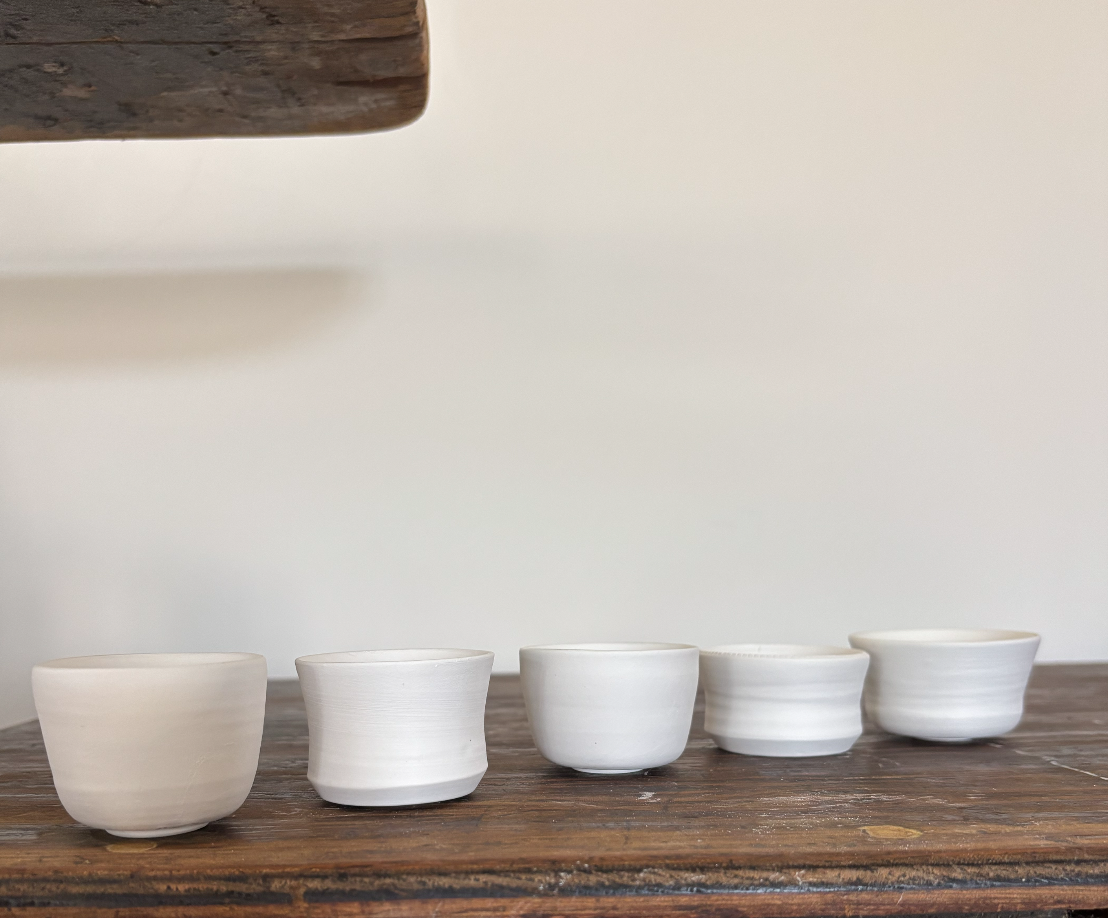
Not every object in our home earns the right to stay.
Some things arrive with excitement and yet quietly disappear a few years later, replaced by something newer, perhaps more fashionable or simply more convenient. Others become so familiar that we stop noticing them altogether.
And then there are the rare few.
The favourite cup reached for every morning without conscious thought. The bowl that appears at every family gathering. The vase that has stood in the same place through different homes and different stages of life, somehow becoming less an object and more a witness.
It is easy to assume these pieces are valuable because they were expensive or rare, but often they are neither.
Instead, they have acquired something that cannot be bought: meaning. These are the those we hold because they matter.
We tend to think of collecting as the deliberate pursuit of exceptional objects. Yet, for many of us, the collections that matter most were never consciously assembled. They emerged slowly, almost accidentally, through years of living.
A favourite chair inherited from a grandparent, a serving dish bought on holiday decades ago, a teapot given as a wedding present, or a handmade mug discovered in a small gallery while travelling.
None may be museum pieces. Yet each carries something infinitely more valuable than monetary worth: evidence of a life well lived.
Perhaps this is why handcrafted objects continue to resonate in an age of perfect manufacturing.
No two pieces are entirely alike. The slight variation in form, the subtle movement of a glaze, the gentle marks left by the maker's hands become reminders that another person stood where this object began. That someone gave their attention before it eventually received ours.
The Japanese speak of tsukau — to use something fully, allowing its purpose to reveal itself over time. It is an idea that feels increasingly relevant today. Rather than surrounding ourselves with more possessions, perhaps we are searching for deeper relationships with fewer of them.
Luxury has long been associated with scarcity but perhaps its truest expression is longevity. The object that remains useful after twenty years or the material that grows more beautiful through use rather than despite it.
These objects ask very little of us. They do not compete for attention, and they remain a constant in our lives. A part of us.
There is a temptation within contemporary design to celebrate the new. New collections. New colours. New trends. Newness has become a language in itself.
Yet the pieces we treasure most are usually those that have escaped that cycle altogether.
They have become part of the very architecture of our lives.
When we began FOUND, we weren't interested in creating objects that would dominate a room or demand admiration. We wanted to make pieces that might, if we were fortunate, disappear into daily life before quietly becoming indispensable. Objects that become part of morning rituals, or shared meals. Of flowers gathered from the garden. Of candlelight at the end of a long day.
Perhaps that is the greatest compliment a maker can receive; that years from now, the owner cannot quite imagine their home without it.