
Have we misunderstood what makes an object sustainable?
Walk through almost any design fair or browse the sustainability pages of an online retailer and you'll encounter familiar language: Recycled materials. Renewable resources. Carbon footprint. Plastic-free packaging.
These are all important, of course. They represent genuine progress in the way we think about making and consuming.
Yet, I increasingly wonder whether we are becoming overly focused on how things are made that we've forgotten to ask a more pertinent, and perhaps more complicated question:
Should they exist in the first place?
The most sustainable object is often described as one made from recycled materials. I'm not convinced. for me, I believe the most sustainable object is the one that someone chooses to keep for the rest of their life – and that distinction matters. It has become the foundation for why we do what we do at FOUND.
Every object, however responsibly produced, consumes energy, materials and human effort. If it is bought enthusiastically, used briefly, and discarded a few years later, can we really call it sustainable?
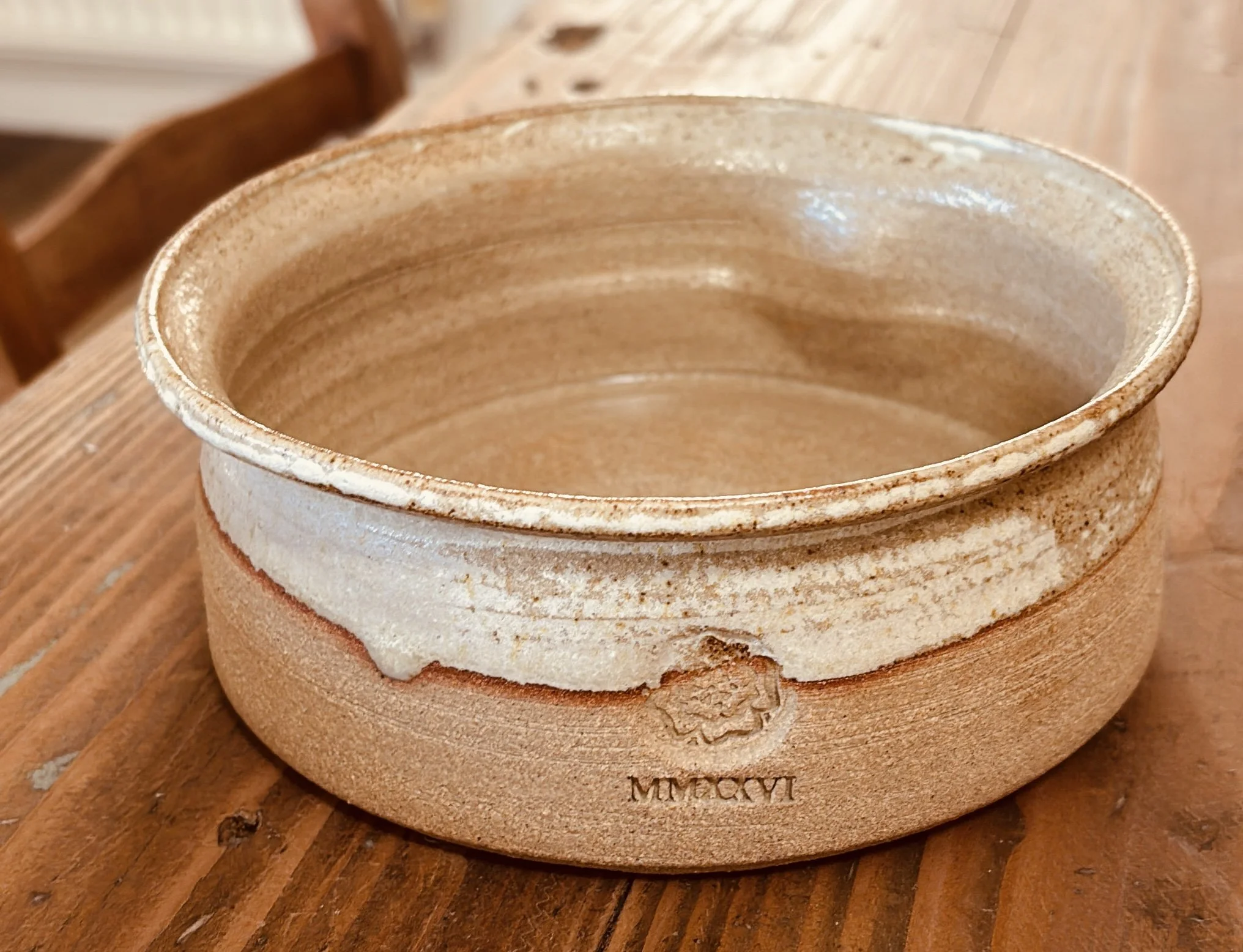
By contrast, think about the objects that remain with us, sometimes without much fanfare or attention at all: a bowl used every morning for decades, a teapot that appears whenever people gather, a vase inherited from a grandparent. These objects survive because they have become woven into the lives of the people who use them, not because of what they are made from.
Perhaps emotional durability deserves as much attention as material durability. For decades now we have become remarkably good at making products cheaper, faster, and more efficiently, however, the unintended consequence is that many of them have also become easier to replace, and has resulted in a “throwaway culture”.
The environmental movement has rightly challenged this culture of disposability, but I wonder if we have an opportunity to broaden the conversation further. Instead of asking only how we can manufacture more sustainably, perhaps we should also ask how we can create things people would never want to throw away.
It’s an idea which continues to shape our work here in the studio. After spending more than twenty years building businesses and advising organisations around the world, I found myself establishing FOUND, a British ceramics studio exploring craftsmanship, material innovation and responsible making, becoming the world's first certified carbon neutral ceramics studio and achieving B Corp certification. Both were important milestones, but they were never the destination.
My studio works with reclaimed and overlooked materials wherever possible, not simply because doing so reduces waste, but because something dismissed as surplus can become part of an object intended to last for generations. That, to me, feels like a more hopeful way of thinking about sustainability.
A commitment to making fewer things, making them better, and creating objects that earn their place in people's lives. If we truly want a more sustainable future, perhaps the question isn't simply how we recycle more.
Perhaps it is how we create more things worth keeping.
Written by Jez Rose, founder of FOUND ceramics.